


What Historic Chester County Homes Can Teach Us About Designing New Construction


What Historic Chester County Homes Can Teach Us About Designing New Construction
There is something about walking into a 250-year-old home that simply cannot be replicated by walking into a brand-new one. The worn hardwood floors, substantial fireplaces, intricate millwork, and tiny architectural details all contribute to a feeling that is difficult to put into words. These homes have character, certainly, but more than that, they have a sense of history and purpose. They have been lived in, adapted, and loved by generations of families, and you can feel that history in nearly every room.
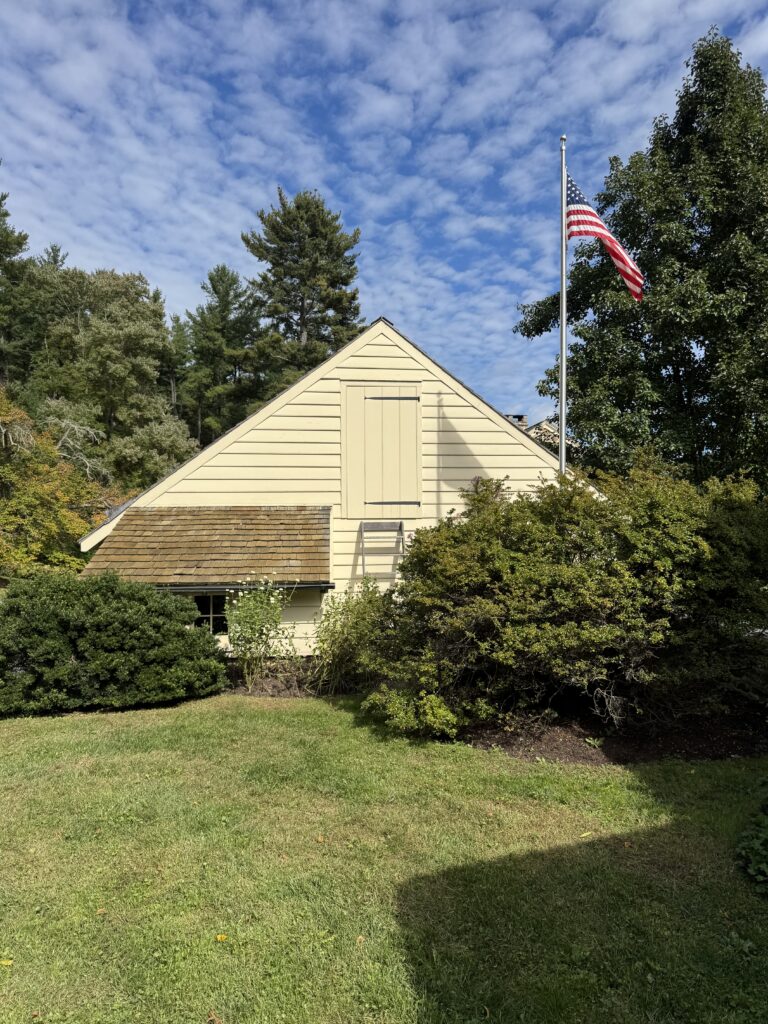
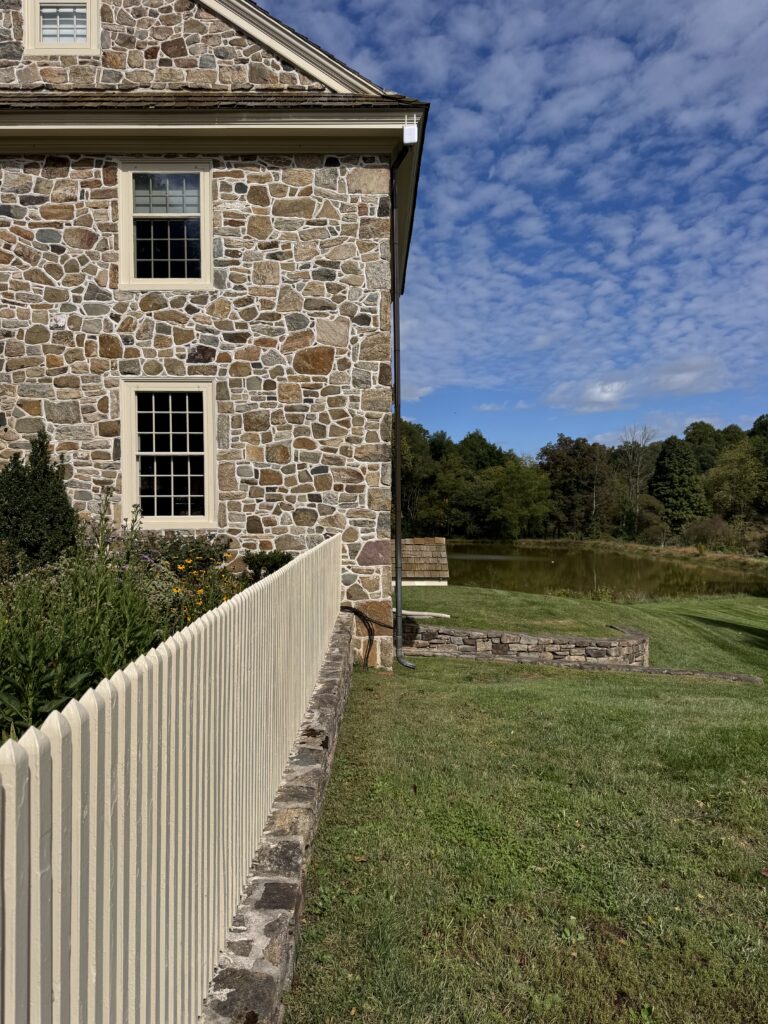
Recently, I had the opportunity to tour several historic properties during Chester County Day, an annual celebration of the area’s remarkable architectural heritage. We visited a small village surrounding a former forge, where approximately ten historic homes stood together, some nestled closely along the road and others surrounded by beautiful stretches of land. Many dated back to the late 1700s, with Federal-style Colonial architecture, and several had fascinating connections to early American history, including stories of the Underground Railroad and notable historical figures who had passed through their doors.
We also toured larger estates, including one property with expansive acreage that now accommodates an art gallery, a shop, and a wedding venue. Although the homes varied in size, setting, and architectural details, I kept noticing the same thing: nearly everything in these homes had originally been designed for a purpose, rather than simply for aesthetics.
And ironically, that is exactly what made them so beautiful.

The Beauty of Designing With Purpose
Today, we often approach interior design by asking what will look beautiful in a space. Two hundred years ago, homeowners and craftsmen were primarily concerned with how a home needed to function, and the architectural details followed naturally.
Fireplaces were found in nearly every room because they were essential for heating. Some were enormous, with openings large enough to walk into, while others incorporated wood-burning stoves. Deep window recesses accommodated thick masonry walls, and interior shutters folded neatly into the window openings when they weren’t needed. Built-in cabinetry was tucked into hallways, beside fireplaces, and within architectural openings, providing storage without unnecessarily occupying valuable floor space.
There was something incredibly charming about the practicality of it all. These details weren’t necessarily created to make the homes feel grand or impressive. They existed because someone needed a place to store linens, keep warm, or close the shutters at night. Over time, those practical decisions became the very architectural features that make historic homes so desirable today.
It made me think about how frequently modern construction takes the opposite approach. So many mass-produced homes are designed around a familiar formula, with repeated layouts, standardized finishes, and architectural details that feel selected from a catalog. While these homes may offer plenty of space and modern conveniences, they can lack the personality, humility, and sense of purpose that make older homes so compelling.
I would love to see us bring more of that intentionality back into residential design, particularly when we’re creating new homes from the ground up.
Five Historic Details Worth Bringing into Construction
One of the wonderful things about studying historic homes is that we don’t have to recreate every aspect of how people lived centuries ago to appreciate their architecture. We can take inspiration from the craftsmanship, materials, and thoughtful details while adapting them to the way families live today.
There were five features in particular that I found myself returning to throughout the tour, all of which I would love to incorporate into a new construction project.
1. Substantial Fireplaces That Become Part of the Architecture
Some of the most memorable features were the enormous fireplaces, including several that were large enough to walk inside. These weren’t simply decorative focal points. They were central to daily life, providing warmth and, in some cases, a place to cook.
While I wouldn’t suggest that every new home needs an enormous working fireplace, I do think we’ve lost some of the architectural significance that fireplaces once held. In many modern homes, the fireplace has become a relatively small insert surrounded by a decorative treatment, rather than a substantial element that helps define the room.
I would love to see more fireplaces designed with genuine architectural presence, using natural stone, brick, substantial mantels, and proportions that feel appropriate to the home. There is something incredibly inviting about a fireplace that feels as though the room was designed around it, rather than one that was added as an afterthought.
2. Built-Ins That Feel Like Part of the House
Historic homes are full of built-in cabinetry, but what struck me was how naturally it was incorporated into the architecture. Rather than large cabinetry installations that dominate a wall, these homes often had smaller, purposeful storage spaces recessed into doorways, tucked beside fireplaces, or integrated into hallways.
Some were designed for very specific household needs, including linen storage and other functions that have largely disappeared from modern homes. These details were often so beautifully integrated that they felt like a natural extension of the walls and millwork.
In new construction, I think there is an enormous opportunity to approach cabinetry in this same way. Rather than treating every built-in as a separate furniture piece, we can consider how storage might be incorporated into the home’s architecture from the beginning. A shallow cabinet within a hallway, a concealed storage space beside a fireplace, or a beautifully paneled cupboard can provide genuine function while contributing to the character of the home.
3. Deep Window Recesses, Paneled Openings, and Interior Shutters
Of all the details I noticed during the tour, some of the most surprising were the smallest. Tiny antique doorknobs, intricately crafted cabinet hinges, decorative ironwork, and artisan lighting fixtures caught my attention repeatedly.
Several of the hinges had beautiful curled details that appeared to have been individually shaped by a blacksmith. They were functional pieces of hardware, yet someone had taken the time to make them beautiful. Even something as ordinary as opening a cabinet door offered an opportunity to appreciate the craftsmanship.
For a new home inspired by historic architecture, I would look for lighting and hardware that reference traditional craftsmanship, whether through authentic antique pieces, well-made historical reproductions, or contemporary designs that borrow from older forms. These are details that deserve consideration early in the design process.
4. Lighting and Hardware With a Sense of Craftsmanship
Of all the details I noticed during the tour, some of the most surprising were the smallest. Tiny antique doorknobs, intricately crafted cabinet hinges, decorative ironwork, and artisan lighting fixtures caught my attention repeatedly.
Several of the hinges had beautiful curled details that appeared to have been individually shaped by a blacksmith. They were functional pieces of hardware, yet someone had taken the time to make them beautiful. Even something as ordinary as opening a cabinet door offered an opportunity to appreciate the craftsmanship.
Today, hardware is often one of the last things selected during a construction project, and it’s easy to treat it as a relatively insignificant detail. But after seeing how much personality these small elements contributed to historic interiors, I was reminded of just how important they can be.
For a new home inspired by historic architecture, I would look for lighting and hardware that reference traditional craftsmanship, whether through authentic antique pieces, well-made historical reproductions, or contemporary designs that borrow from older forms. These are details that deserve consideration early in the design process rather than being selected simply because they are readily available.
5. Colored Millwork and Architectural Details With Personality
One of the ways I love to bring character into traditional interiors is through the use of color on architectural millwork. Historic-inspired design doesn’t have to mean white walls, white trim, and neutral cabinetry throughout the entire house.
Painted doors, colored trim, paneled walls, and cabinetry in beautiful, considered colors can give rooms an incredible amount of personality. When combined with traditional architectural profiles, these finishes can make a space feel established and distinctive without becoming overly decorative.
I particularly love the idea of incorporating historic architectural elements alongside more tailored furnishings and cleaner profiles. A room with substantial traditional millwork doesn’t necessarily need to be filled with antiques. In fact, I often find that the contrast between detailed architecture and more refined furniture creates a much more interesting interior.
The goal isn’t to create a period reproduction. It’s to take inspiration from the past and reinterpret it in a way that feels appropriate for the home and the people living there.
Bringing Personality and Purpose Back into Our Homes
After spending the day walking through these remarkable Chester County properties, I kept coming back to the same thought: we need to bring more personality and purpose back into the homes we’re building.
What made these historic houses so memorable wasn’t that every room was perfectly decorated or that every architectural feature was particularly elaborate. It was the combination of practicality, craftsmanship, natural materials, and details that had been considered for a reason.
There was a humility to these homes that I found incredibly appealing. They weren’t trying to impress through sheer size or an abundance of decorative features. Their beauty came from how they were built, how they functioned, and the character they developed over time.
I would love to see more new construction embrace that philosophy. Not by attempting to replicate the past exactly, but by creating homes with architectural substance, individual personality, and details that will continue to be appreciated decades from now.
At Proper House Design, we specialize in traditional interiors, comprehensive construction design, and thoughtfully considered furnishings for homeowners throughout Chester County and the Main Line. If you’re planning a new construction home or substantial renovation and want to create something with enduring character, we’d love to learn more about your project.


Be the first to comment